Trading Psychology: The Mind That Costs You More Than the Market
Loss aversion, revenge trading, FOMO and overconfidence: the mental errors that ruin even a good strategy, and practical ways to keep them in check.
November 5, 2026·2 min read·Vlevel team
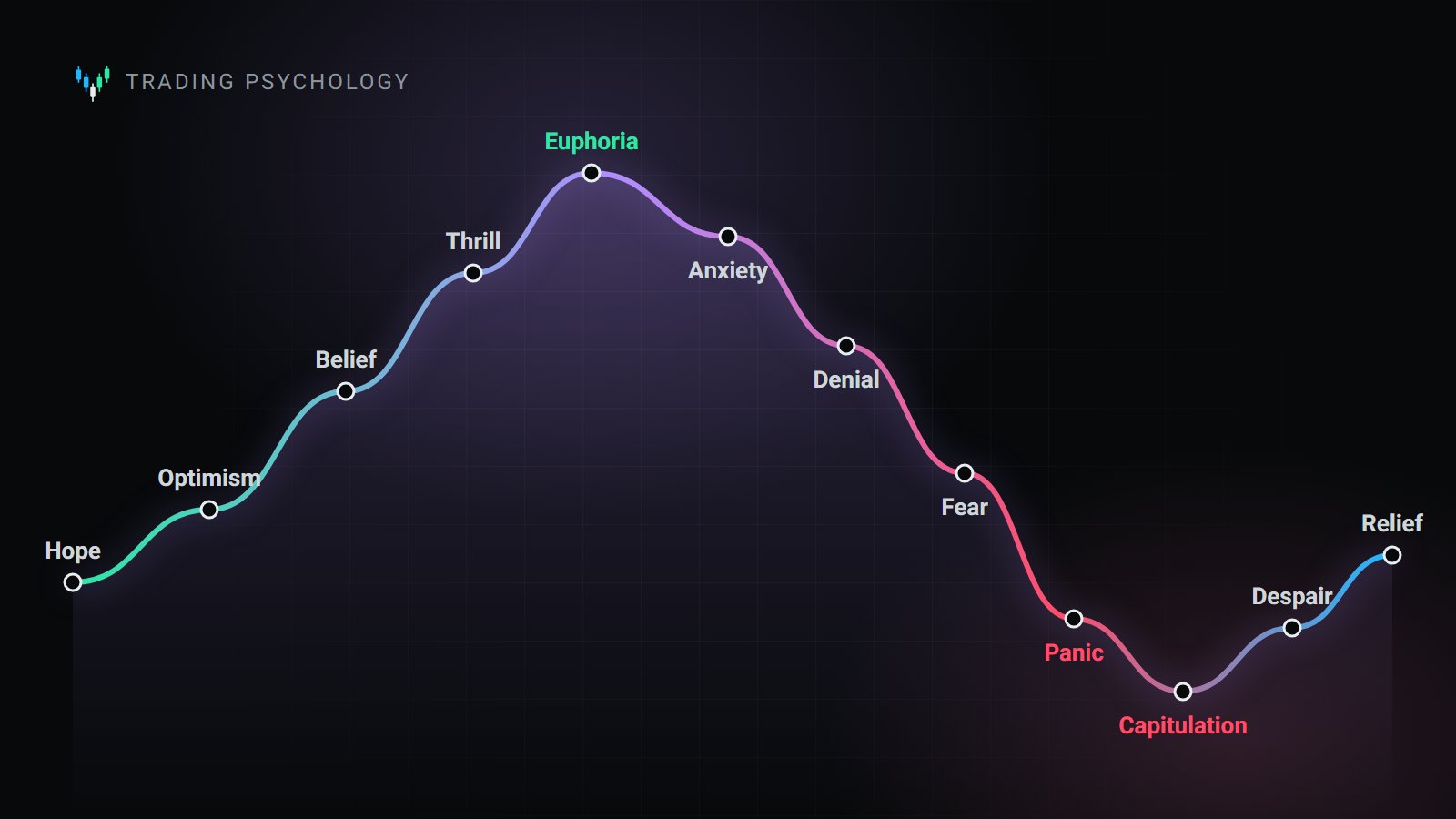 Trading psychology
Picture two traders with exactly the same strategy: same entry, same stop, same target. Six months later one is up and the other has lost half the account. The difference wasn't on the chart; it was in the execution. One moved a stop so the trade could "come back"; the other doubled size after three losses in a row. Most large losses come from decisions that feel reasonable in the moment and are really made by a tired or frightened mind.
Why our brains aren't built for trading
Kahneman and Tversky's prospect theory showed that people feel a loss roughly twice as strongly as a gain of the same size. In daily life that keeps us careful; in markets it works exactly the wrong way. We close winners early so we don't "give it back" and hold losers so the loss doesn't "become real". The result is the familiar pattern of small wins and large losses.
Five common mental errors
- Loss aversion: moving or removing the stop as price approaches it. A 1R loss becomes a 3R loss.
- The disposition effect: closing profitable trades early and holding losing ones, the exact opposite of what a positive system needs.
- Revenge trading: jumping straight back in with bigger size after a loss to "win it back". The market doesn't know how you feel.
- FOMO: chasing a candle that has already moved, with no setup, because "everyone is making money". It usually means the worst possible entry.
- Overconfidence and confirmation bias: raising risk after a winning streak and seeing only the news and analysis that agree with you.
Tilt: when you're no longer yourself
"Tilt" comes from poker: the state where, after something goes wrong, decisions turn emotional and reckless. The signs are familiar: watching P&L instead of the chart, raising size for no reason, trading timeframes and symbols you normally avoid. The key skill here isn't better analysis; it's recognising that you shouldn't be trading right now.
Practical ways to keep your mind in check
- Write the rules before you enter: entry, stop, target and size decided before the trade opens. During the trade, execute; don't make new decisions.
- Set a daily loss limit: for example, once you're down 3R for the day, you're done. This breaks the revenge-trading chain.
- Fixed risk per trade: risk a fixed fraction of the account (say 0.5 to 1 percent) so no single trade is big enough to lock up your thinking.
- Keep a journal: for each trade, note the reason, your state of mind and whether you followed your rules. After a few weeks your own patterns show up.
- Judge trades by execution, not profit: a trade that followed the rules and lost was a good trade. One that broke the rules and won is the most dangerous trade of all, because it rewards a bad habit.
The bottom line
You can't control the market, but you can control your behaviour. Consistent traders aren't necessarily smarter; they've written their rules in advance, keep their risk small and know when to walk away from the screen. Discipline is an edge no indicator can replace.
This article is for education only and is not a recommendation to buy or sell any asset. Trading financial markets, especially with leverage, carries high risk.
See the tools for yourself
A live chart with market depth, dozens of indicators and drawing tools, and a Lab that turns an idea into a backtested strategy.
More articles
 About Vlevel
Our Mission: Professional, Honest and Accessible Tools for Every Trader
Why we built Vlevel, what we're committed to and the future we want for traders.
2 min read
 Risk management
Position Sizing: Exactly How Much Should You Risk per Trade?
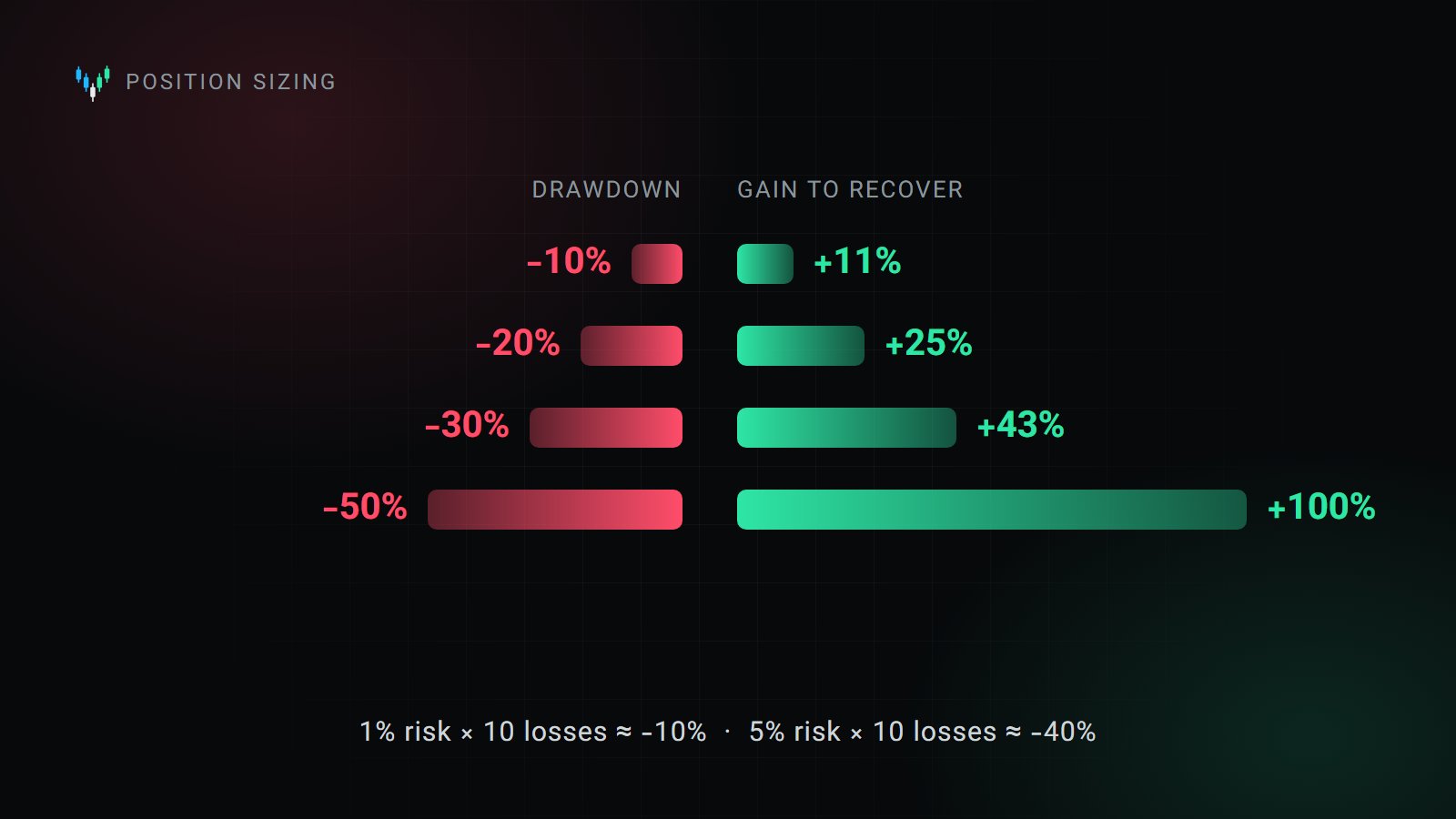
The most important decision in any trade is its size. Fixed-fractional risk, sizing from the stop distance, the maths of drawdowns, and why you should halve the Kelly formula.
November 4, 2026 · 2 min read
 Market data
Trading Sessions: Why the Time of Day Matters as Much as the Setup
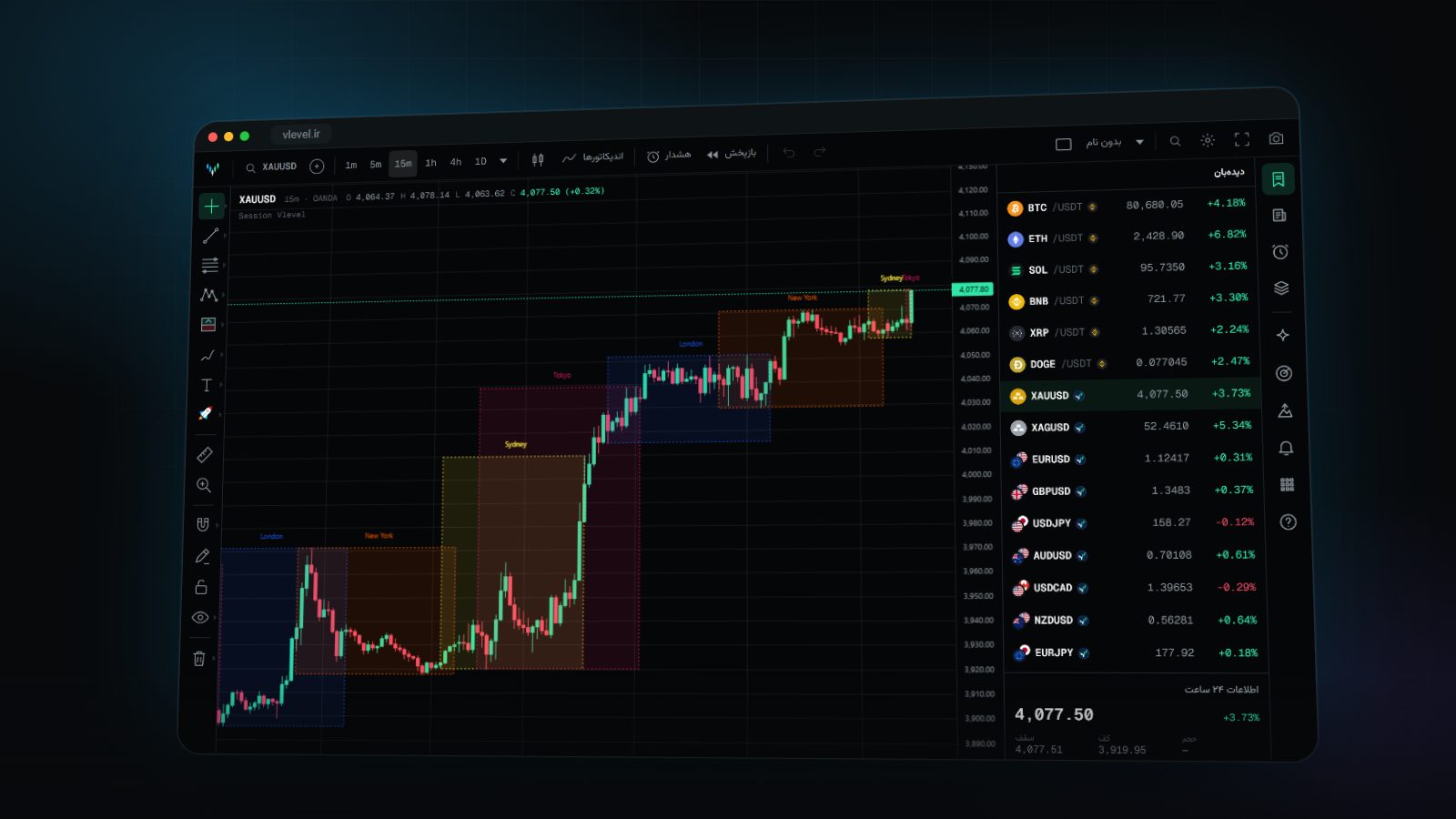
Tokyo, London and New York each behave differently. How liquidity, volatility and spreads change through the day, and how to use each session's high and low in your analysis.
November 3, 2026 · 2 min read