Trading Sessions: Why the Time of Day Matters as Much as the Setup
Tokyo, London and New York each behave differently. How liquidity, volatility and spreads change through the day, and how to use each session's high and low in your analysis.
November 3, 2026·2 min read·Vlevel team
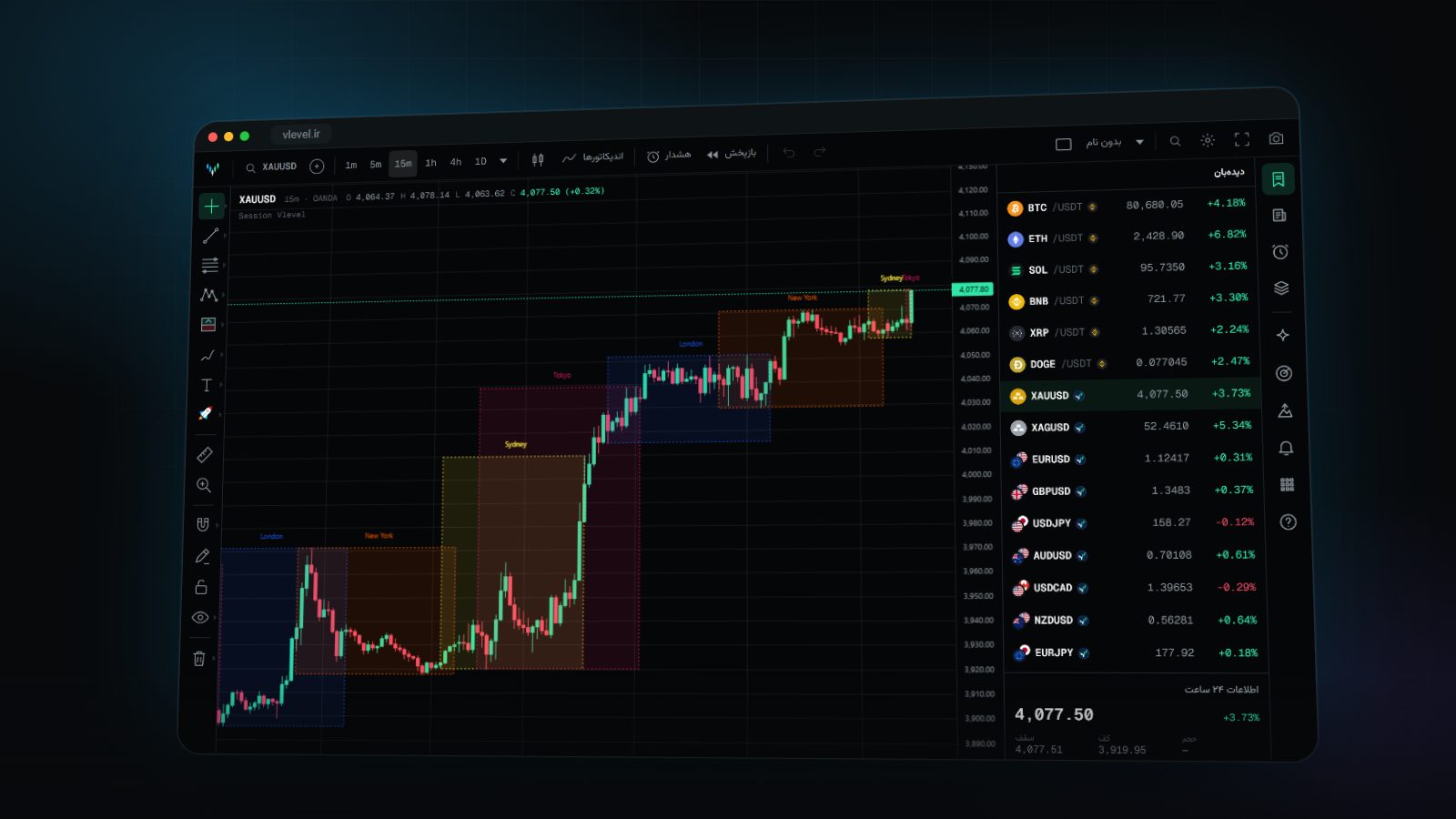 Market data
Forex and gold trade around the clock, but that doesn't mean they behave the same at every hour. Volume, speed of movement and the cost of getting in change several times over during the day. A setup that works beautifully in the London afternoon may give you nothing but spread and meaningless wiggles at 3 a.m.
The three main sessions
- Asia (Tokyo and Sydney): usually calmer and range-bound. Yen and Aussie pairs are most active, and price often rotates in a small range.
- London: the world's biggest currency-trading centre. Liquidity and volatility rise as London opens, and many of the day's main moves start here.
- New York: US economic releases (inflation, jobs, Federal Reserve decisions) bring the sharpest moves, especially in gold, the dollar and indices.
The hours shift when Europe and the US change their clocks, so it's best to define sessions in each city's own local time rather than with one fixed clock.
The London–New York overlap
The few hours when both markets are open are the most liquid part of the day: spreads are tightest and moves strongest. Many day traders trade only this window. By contrast, the hours between the New York close and the Tokyo open are the thinnest of the day, and spreads can widen several times over.
Session highs and lows as levels
The Asian range often becomes an important reference. Two common patterns:
- Breakout: as London opens, price breaks the Asian high or low and keeps going in that direction.
- Liquidity sweep and reversal: price pokes just above the Asian high (or below the low), triggers the stops resting beyond it, then turns back inside the range.
Neither works every time. What matters is knowing where price stands relative to the previous session's range, and whether your trading hours match the hours when the market actually moves.
Crypto has sessions too
Bitcoin never closes, but its volume isn't even either. US business hours and the stock-market open tend to be busiest, while weekends bring thinner liquidity and more sudden moves.
The bottom line
Before you call a setup good or bad, check what time it was traded. Many strategies only have an edge in one session; limiting your trading hours is the simplest improvement you can give them.
This article is for education only and is not a recommendation to buy or sell any asset. Trading financial markets, especially with leverage, carries high risk.
See the tools for yourself
A live chart with market depth, dozens of indicators and drawing tools, and a Lab that turns an idea into a backtested strategy.
More articles
 Market data
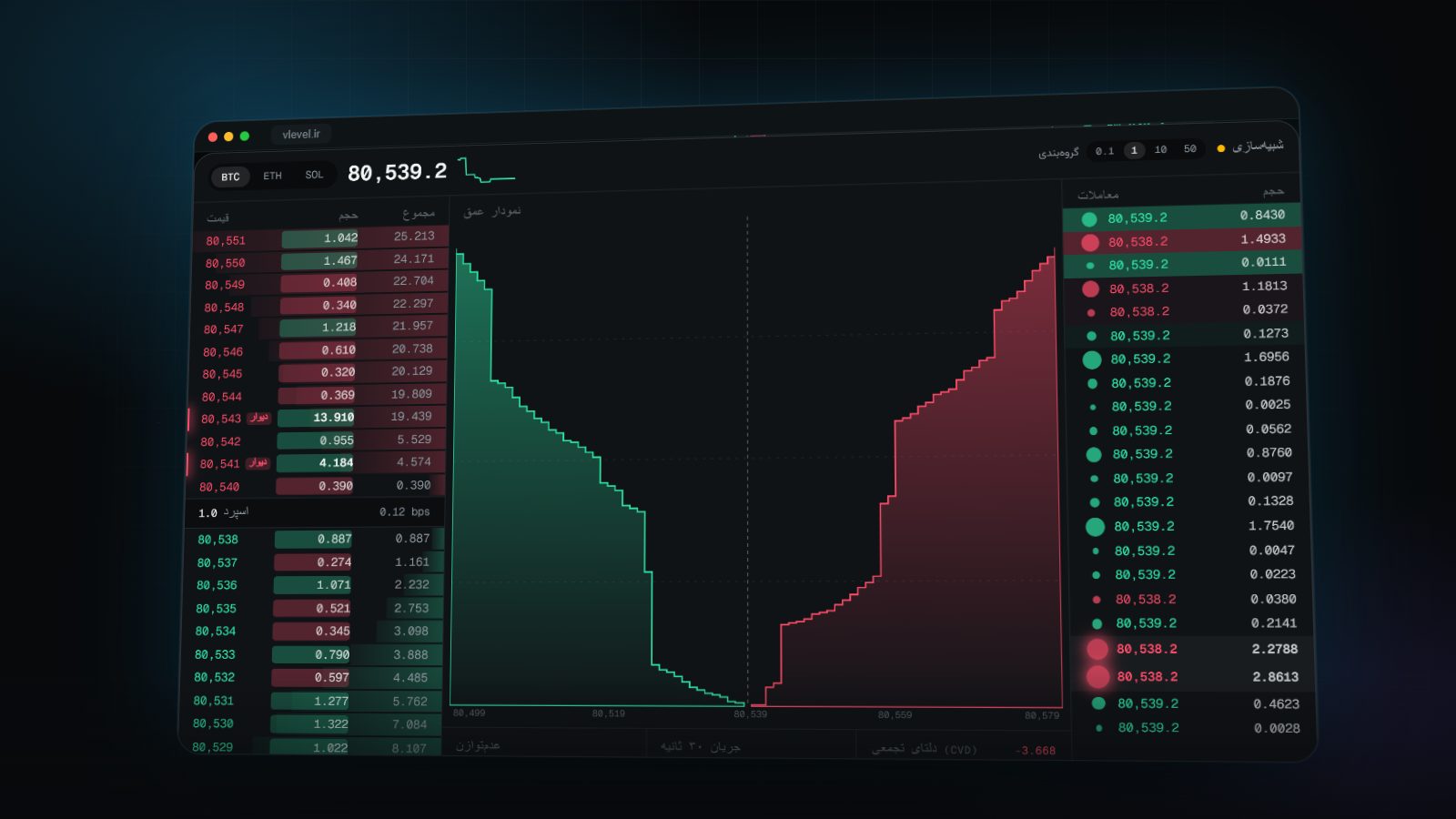
How to Read the Order Book: Walls, Spoofing and the Footprints of Big Money
A practical guide to reading market depth: tell real walls from fake ones, spot order imbalance and see where liquidity is gathering.
October 18, 2026 · 2 min read
 Market data
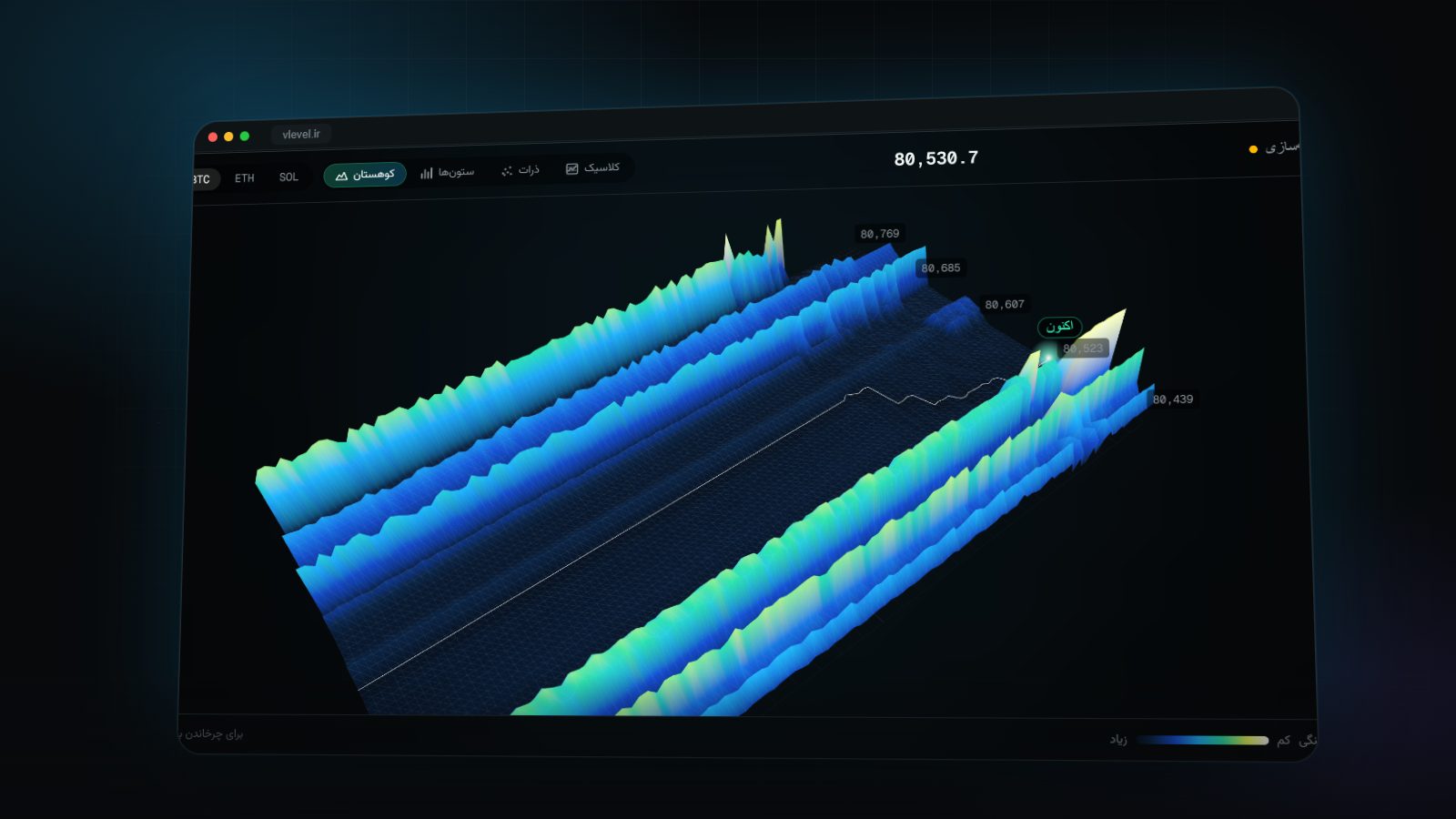
What Is Level 2 Market Data, and Why Do Professional Traders Watch It?
The last price is only the surface. Level 2 data, or market depth, shows who is waiting behind each price and where the liquidity sits.
October 15, 2026 · 2 min read
 About Vlevel
Our Mission: Professional, Honest and Accessible Tools for Every Trader
Why we built Vlevel, what we're committed to and the future we want for traders.
2 min read