The Trader's Body: Stress, Hormones and Decisions Made Tired
A study of London traders found their hormones rose and fell with their profits and market volatility. Why stress and fatigue shape trading decisions, and what you can practically do about it.
October 31, 2026·2 min read·Vlevel team
 Trading psychology
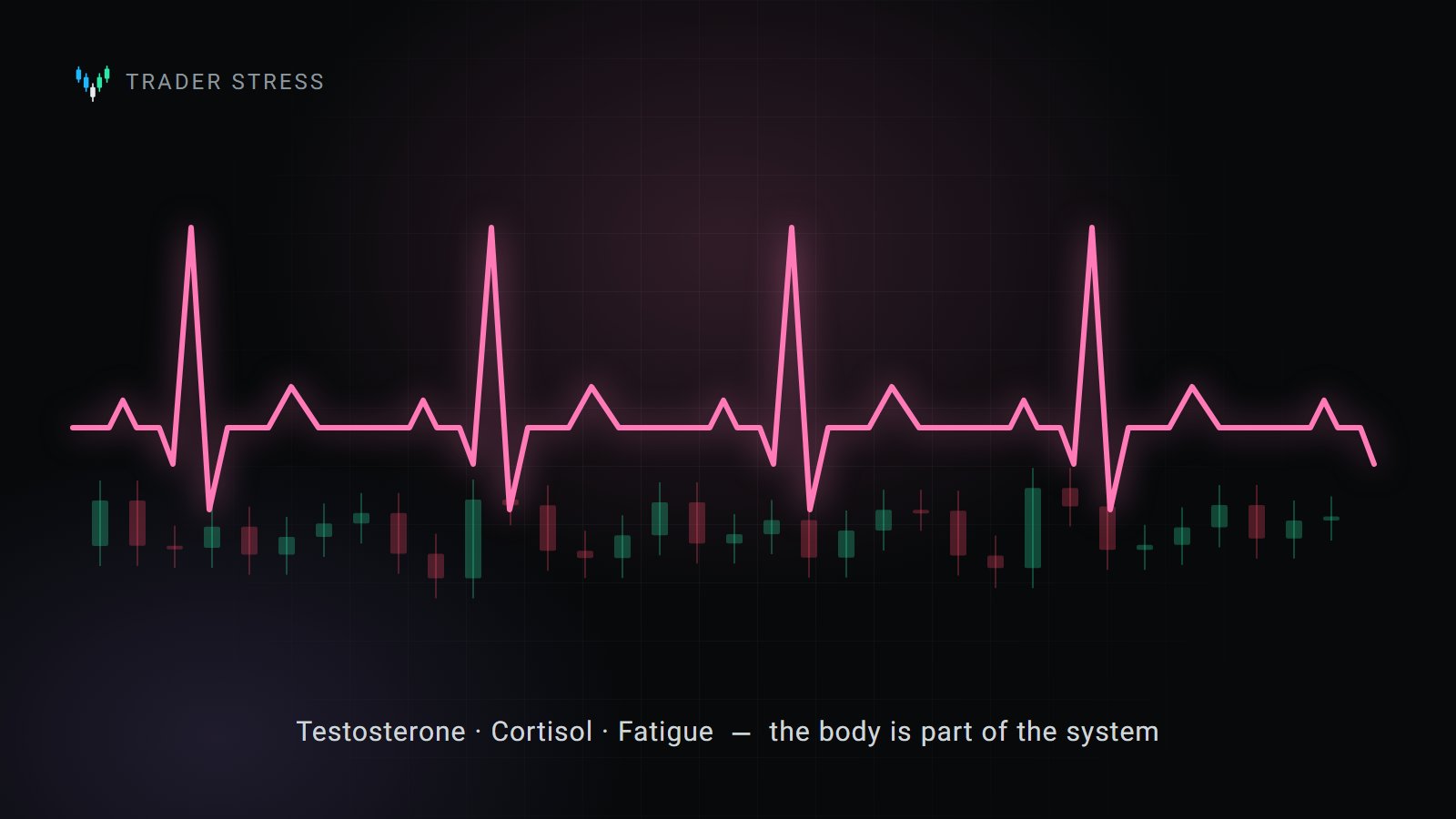
We usually see trading psychology as purely mental: fear, greed, cognitive biases. But decisions are made in a body that tires, feels stress and releases hormones. A few striking studies have shown how present that body is in our trades.
London traders and their hormones
John Coates, a former Wall Street trader turned neuroscientist, and Joe Herbert at the University of Cambridge followed 17 traders on a London trading floor for eight consecutive business days. Twice a day, morning and afternoon, they took saliva samples and recorded the traders' profit and loss. The results, published in PNAS in 2008, had two main findings:
- Morning testosterone was higher on days when traders went on to make above-average afternoon profits.
- Cortisol, the stress hormone, rose with the variability of the traders' profit and loss and with market volatility.
Coates later warned that this cycle can become dangerous: winning raises confidence and risk-taking, while long volatile periods and chronic stress can make a trader overly cautious and pessimistic. The study was small, and later research hasn't reproduced every detail; but the message is simple: your physical state is part of your trading system.
Even professionals react physically
In a study published in 2002, Andrew Lo and Dmitry Repin of MIT measured professional traders' physiological responses, such as heart rate and skin conductance, during live trading. They found clear physical reactions to volatile market events even among experienced traders, and stronger reactions among the less experienced. Experience doesn't remove emotion; it helps you manage it.
How stress ruins a trade
- Tunnel vision: under pressure, attention locks onto the open position and the P&L number, and the bigger picture, such as the higher timeframe trend, drops away.
- Rushed decisions: closing a winner too early or moving a stop usually happens at the peak of tension.
- Decision fatigue: hours of staring at charts wear down concentration; many of the worst trades are the last ones of a long day.
Practical steps that actually help
- Small risk, small stress: the simplest way to reduce stress is a smaller position. If a trade's swings raise your heart rate, your size is probably too big.
- A daily loss limit: decide in advance that after a certain number of R lost in a day, you stop. It blocks the decisions of a tired, angry body.
- A trading-hours plan: trade only the sessions where your strategy has an edge and stay away from the chart the rest of the day. Price alerts mean you don't have to keep watching.
- Sleep and rest: treat trading tired or sleep-deprived like driving tired. A day you're not fresh is not a trading day.
- A pause before entry: a few slow breaths and a run through your setup checklist widen the gap between excitement and the buy button.
The bottom line
A trader isn't a logic machine but a body with hormones, fatigue and stress. That can't be changed, but a trading system can be built to respect it: small risk, rules written in advance, limited trading hours and enough rest. Even the best analysis makes bad decisions in a tired body's hands.
Sources
- Endogenous steroids and financial risk taking on a London trading floor · Coates, Herbert · PNAS 105(16), 2008
- The Psychophysiology of Real-Time Financial Risk Processing · Lo, Repin · Journal of Cognitive Neuroscience 14(3), 2002
This article is for education only and is not a recommendation to buy or sell any asset. Trading financial markets, especially with leverage, carries high risk.
See the tools for yourself
A live chart with market depth, dozens of indicators and drawing tools, and a Lab that turns an idea into a backtested strategy.
More articles
 Trading psychology
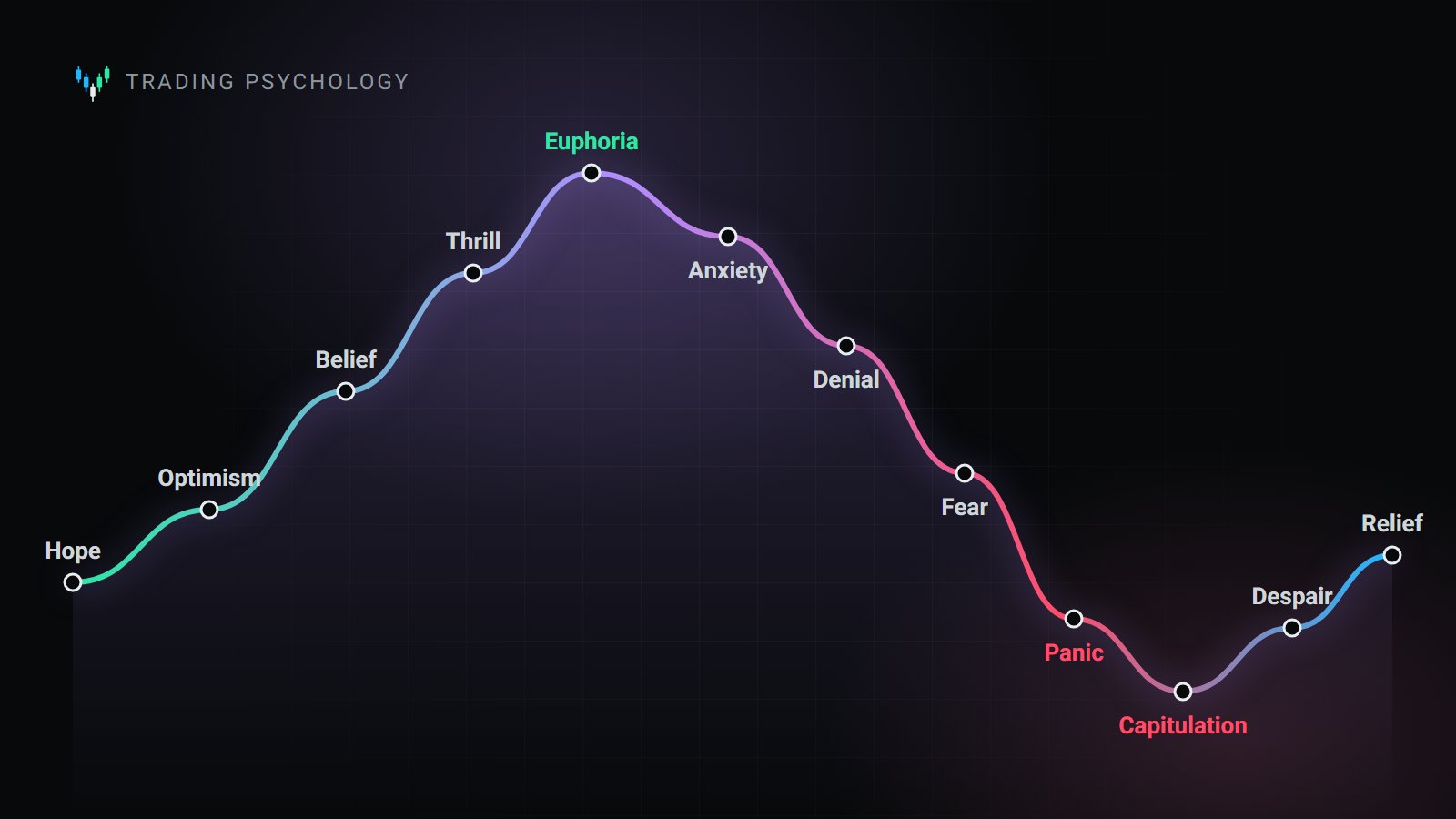
Trading Psychology: The Mind That Costs You More Than the Market
Loss aversion, revenge trading, FOMO and overconfidence: the mental errors that ruin even a good strategy, and practical ways to keep them in check.
November 5, 2026 · 2 min read
 Trading psychology
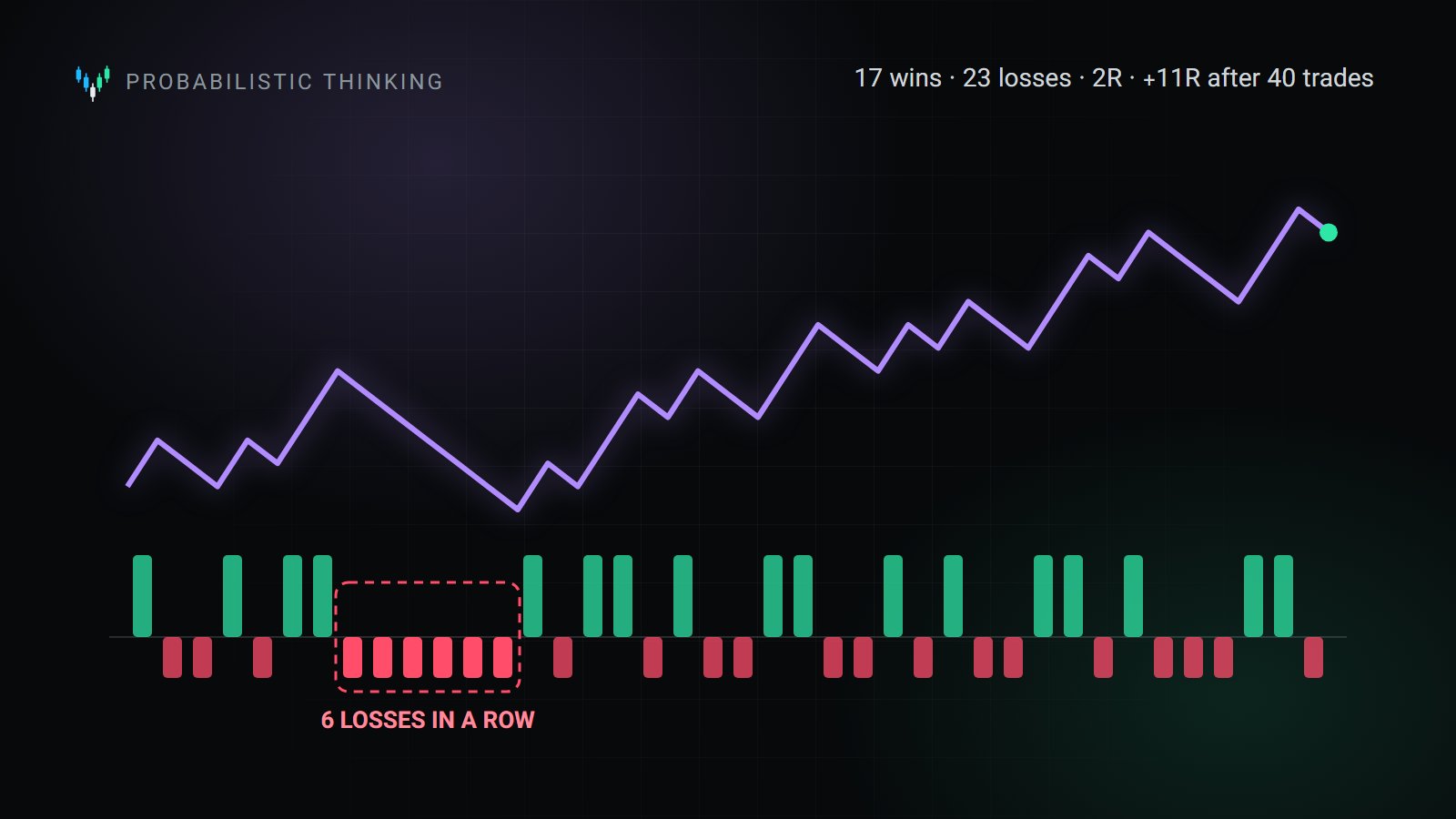
Probabilistic Thinking in Trading: Why One Trade Proves Nothing
Most traders know the market is uncertain, yet trade as if every position must win. Thinking in probabilities means judging yourself by a series of trades, not by the last one.
November 1, 2026 · 3 min read
 About Vlevel
Our Mission: Professional, Honest and Accessible Tools for Every Trader
Why we built Vlevel, what we're committed to and the future we want for traders.
2 min read